- Need
Player wants Riot Points
- Discover
Finds a neighborhood kiosk
- Purchase
Pays in Argentine pesos
- Redeem
Receives a usable PIN
Player wants Riot Points
Finds a neighborhood kiosk
Pays in Argentine pesos
Receives a usable PIN
On this page
AT A GLANCE
Make digital gaming products accessible to players without a credit card.
My contribution
Co-founded Dig Dis, designed its identity, and worked across partner relationships, product positioning and commercial operations.
Key facts
Key decisions
Use existing retail infrastructure
Bring gaming products into established payment and top-up networks, adapting inventory to each distributor.
Treat retailer education as part of distribution
Pair partner marketing with kiosk visits, purchase guidance and window stickers.
Digital gaming, without a credit card
Many younger players in Argentina wanted Riot Points and other digital gaming products but had no credit card or easy way to pay online. Cash was familiar; digital purchases were harder to reach.
Dig Dis, short for Digital Distributions, brought prepaid gaming credit to neighborhood payment and top-up networks. The idea was to make a digital product available at places where families already paid in pesos.
Two founders, end-to-end ownership
As two co-founders, we handled supplier acquisition, B2B pitches, partner meetings, inventory formats and day-to-day operations. My work spanned identity design, partner relations, product positioning and commercial operations.
I designed the Dig Dis logo, store-window stickers and selected early digital pieces. The campaign images below are archived project materials; they were not all individually designed by me.
An identity built for everyday retail
Dig Dis combines Digital Distributions with a playful reading of “dig this.” The short name and recognizable mark were intended for gamers buying through ordinary payment shops.
The archive includes the identity, partner-facing promotional concepts and retail-context photography. These materials document the venture’s brand and distribution work.

Win access, integrate, explain
Partnerships
Pitch retail-network owners and decision makers on adding prepaid gaming products to their service catalog. Negotiate commissions, inventory supply and commercial terms.
Integration
Adapt PIN inventory files and product identifiers to distributor databases and import procedures. Coordinate delivery formats, availability, replenishment and operational troubleshooting.
Retailer enablement
Explain what Riot Points were, who bought them, and how to find and sell the product. Create point-of-sale materials and support distributor marketing.
From prepaid inventory to a printed PIN
Suppliers
Supply prepaid gaming codes.
Dig Dis
Coordinate inventory and adapt PIN files and product identifiers to partner requirements.
Distributor system
Import product records and make the inventory available through the existing retail platform.
Retail terminal
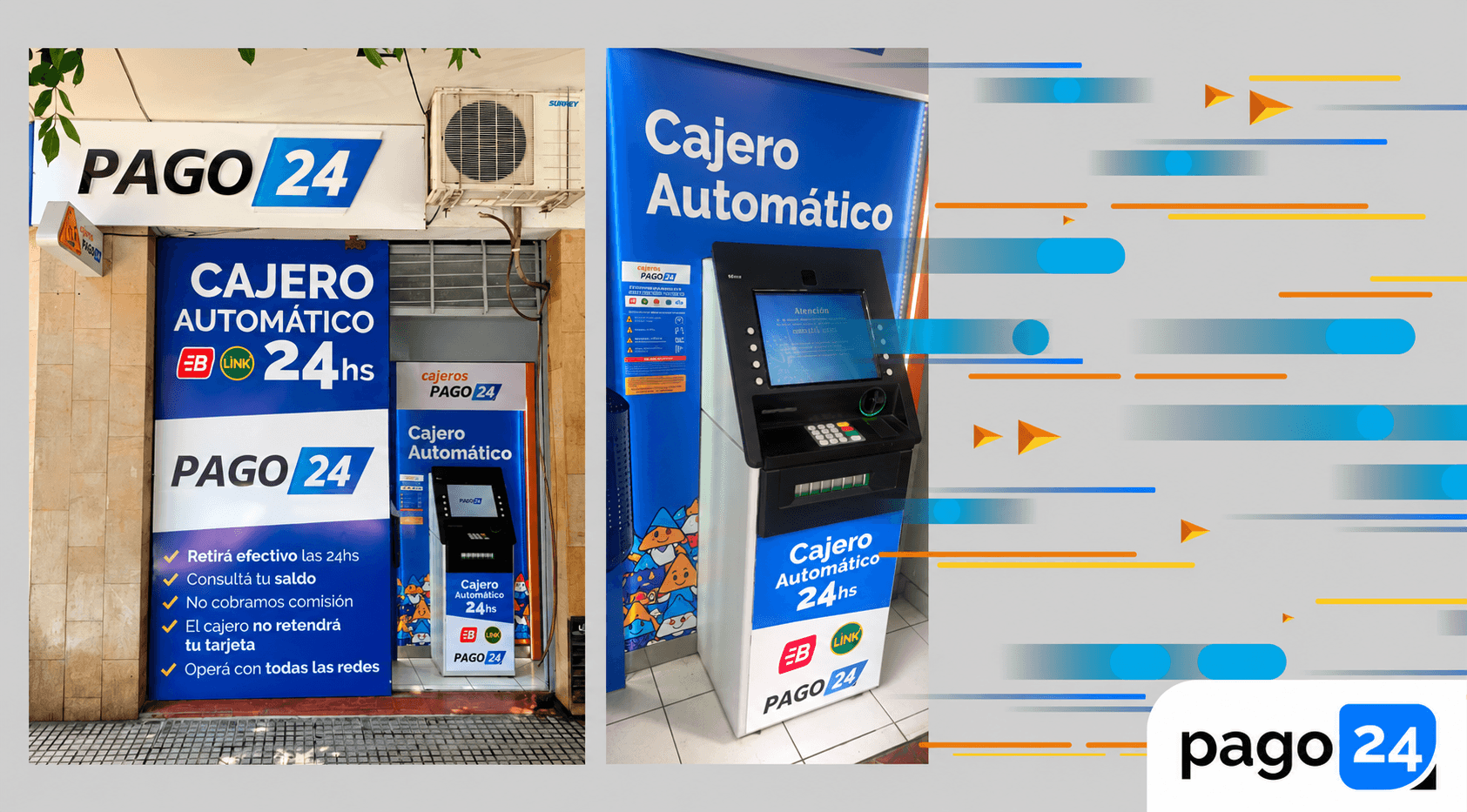
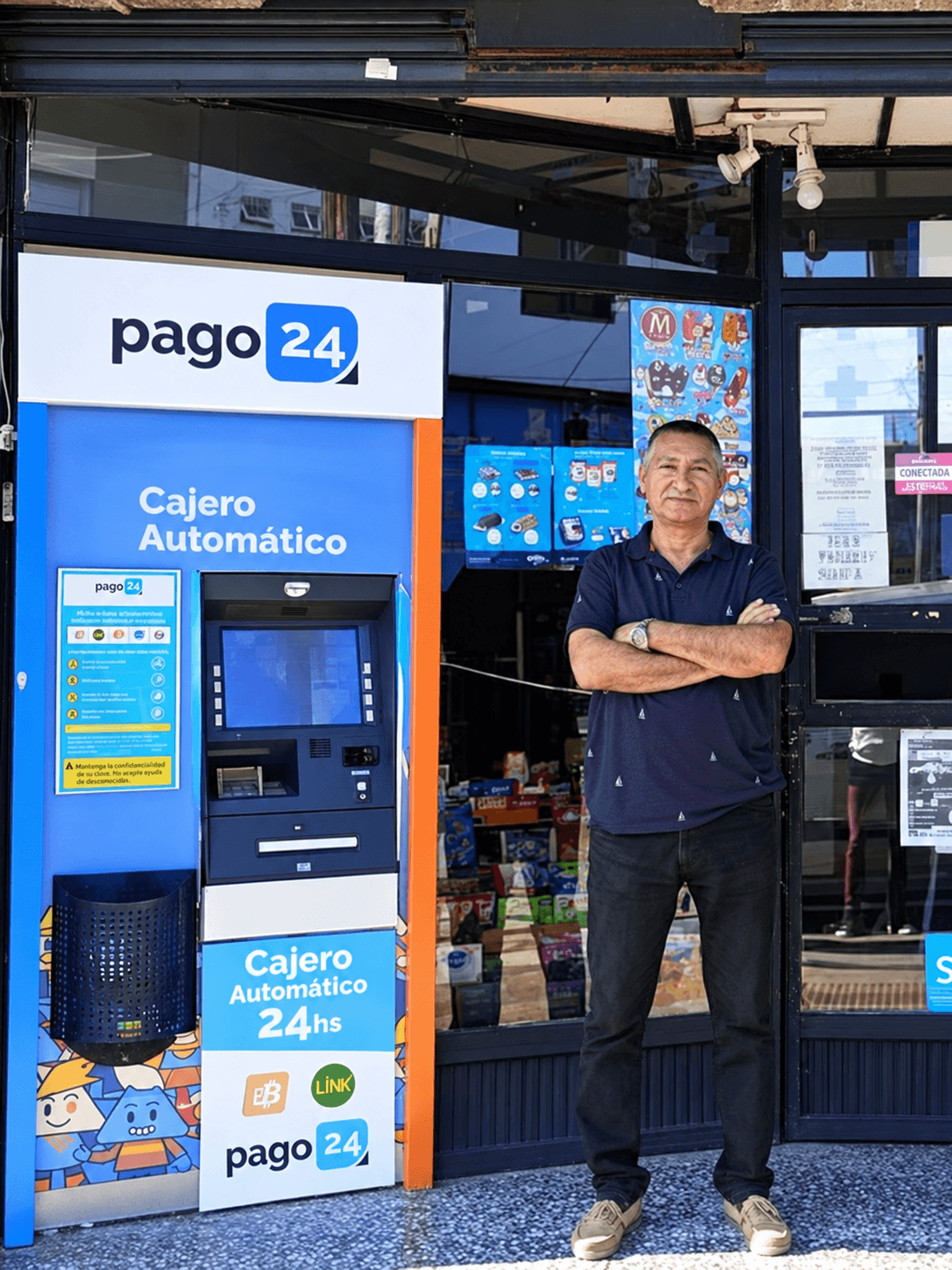
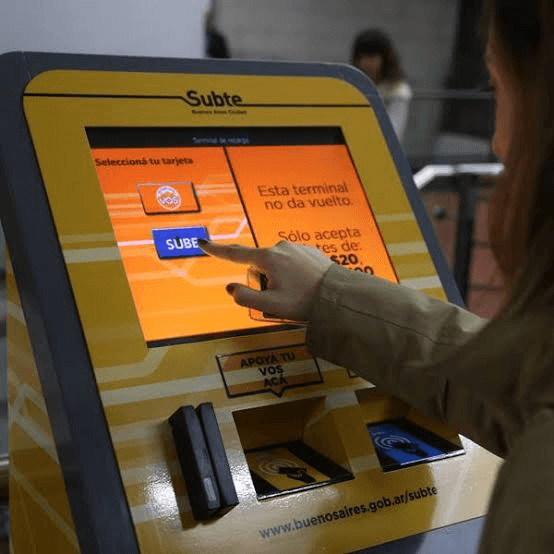
The store employee selects the product and denomination, or the customer completes the purchase at a self-service location. The purchase is paid in Argentine pesos.
Printed receipt with PIN
The system automatically prints a receipt containing the redeemable gaming PIN.
Archived partner campaign concepts
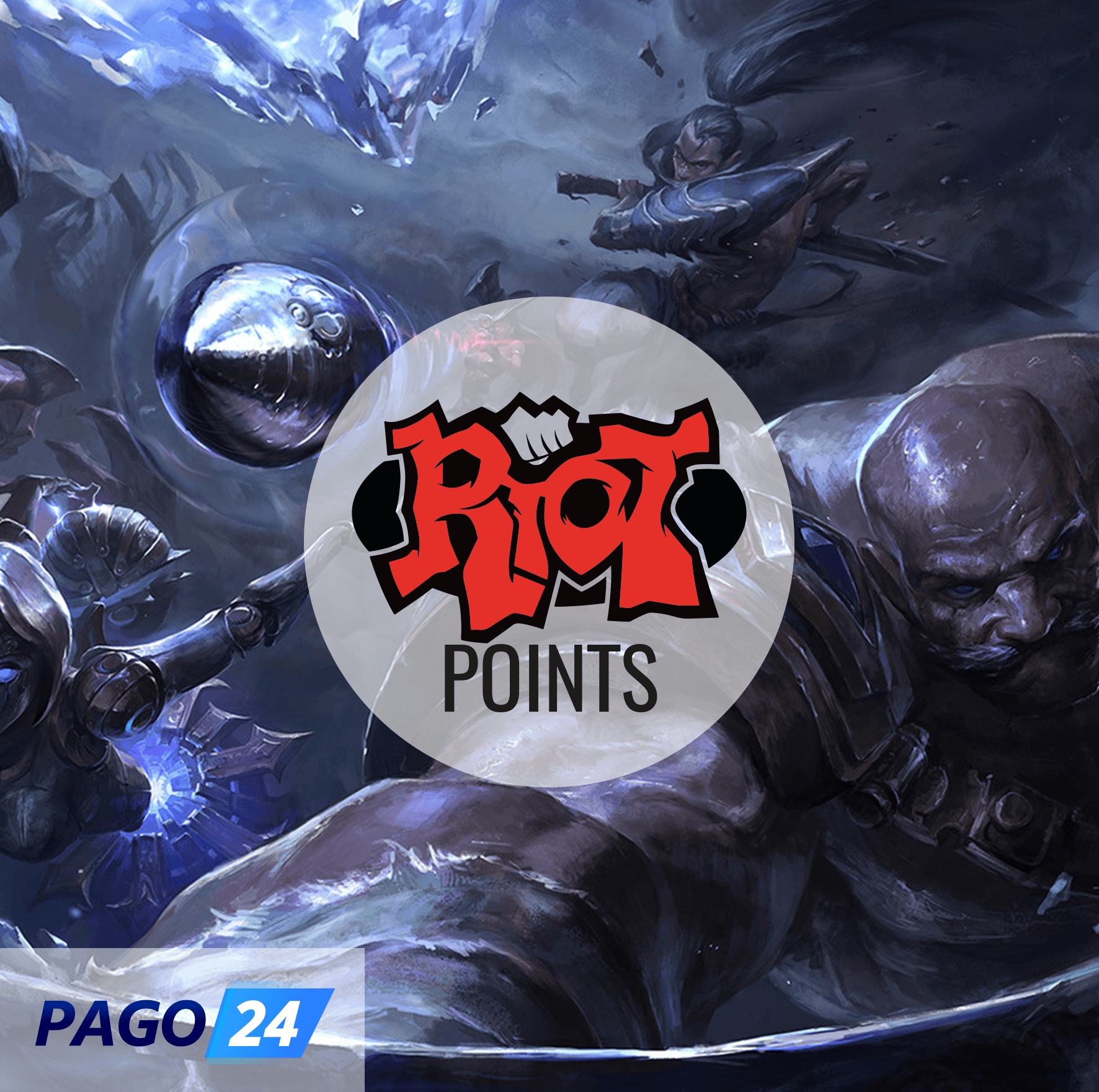
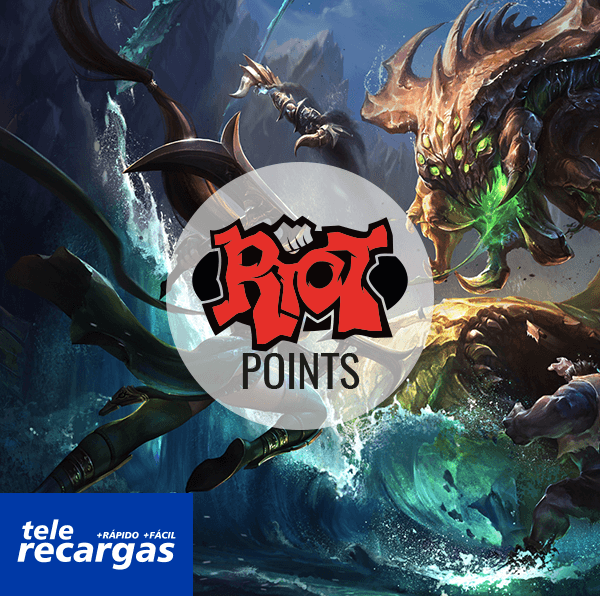
The physical point of sale
Network availability and commercial reality
Enabled sales points
Locations across partner networks were enabled to offer the products. This is network availability, not a count of active sellers or completed purchases.
Founder-reported retrospective estimate in the supplied case study; not independently audited.Gross monthly sales
Reported monthly sales volume during the venture, not profit. No transaction totals are claimed.
Founder-reported retrospective range in the supplied case study; not independently audited.Availability needed discovery
Distributors managed their retail networks, but enabling locations did not ensure that store staff knew how to sell unfamiliar gaming credit or that players knew it was available.
We personally visited local kiosks, introduced Riot Points to owners, explained the purchase process and handed out window stickers. This hands-on retailer education complemented distributor-led campaigns.
Why we stopped
We purchased inventory in US dollars and sold in Argentine pesos. Inflation and currency volatility raised our costs while Riot’s online peso prices lagged behind. Our cash-based offer became much more expensive than buying online unless we absorbed the gap.
Without outside financial backing, the economics became unsustainable and we stopped the venture.
What the venture taught me
- Retail availability, retailer knowledge and customer discovery have to work together.
- A distribution partnership needs product education and operational support after the agreement is signed.
- Brand identity and point-of-sale materials help explain a digital product in a physical shop.
- Distribution reach cannot compensate for unsustainable unit economics or currency exposure.